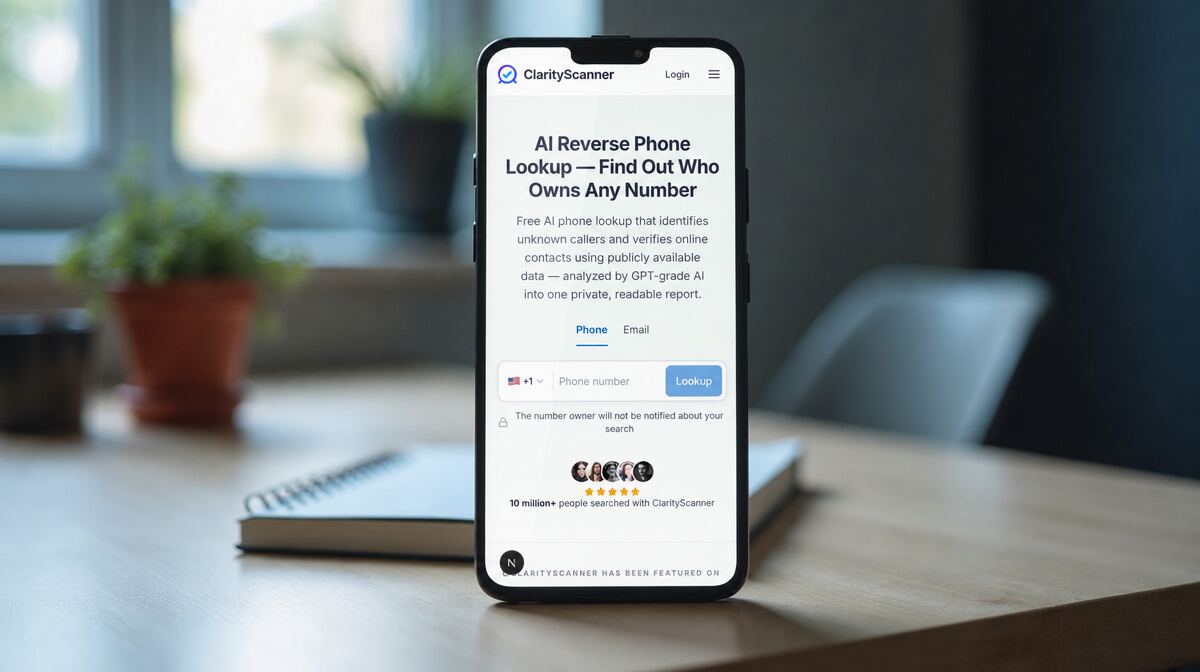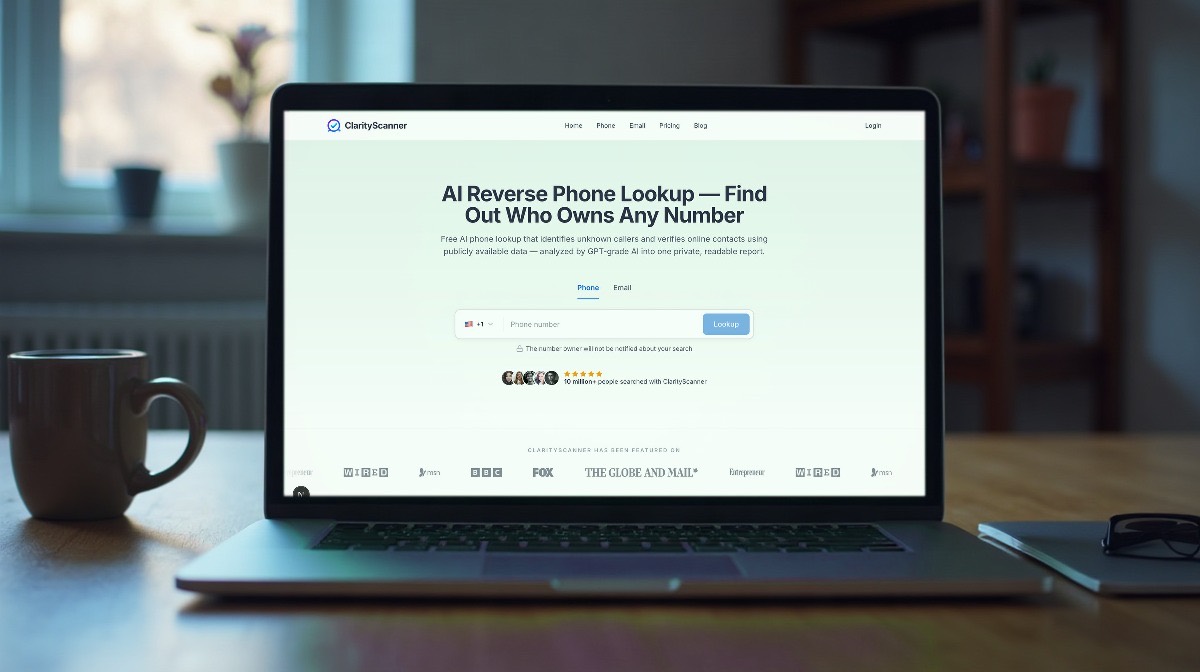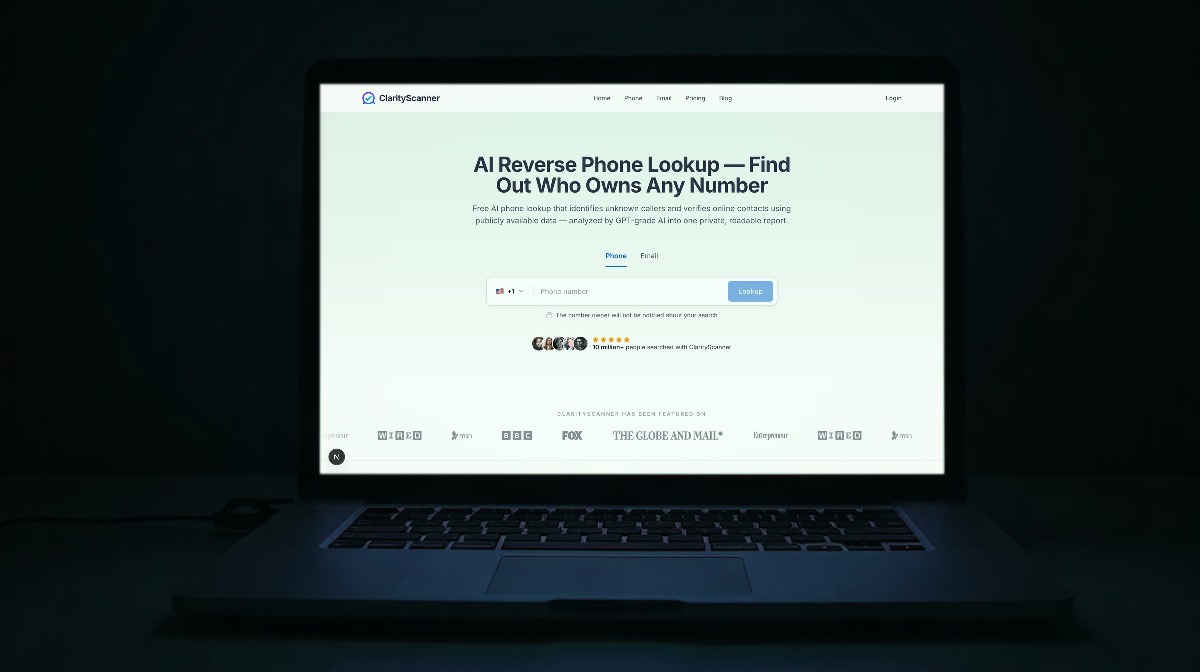
Free Phone Number Lookup: What You Actually Get for Nothing
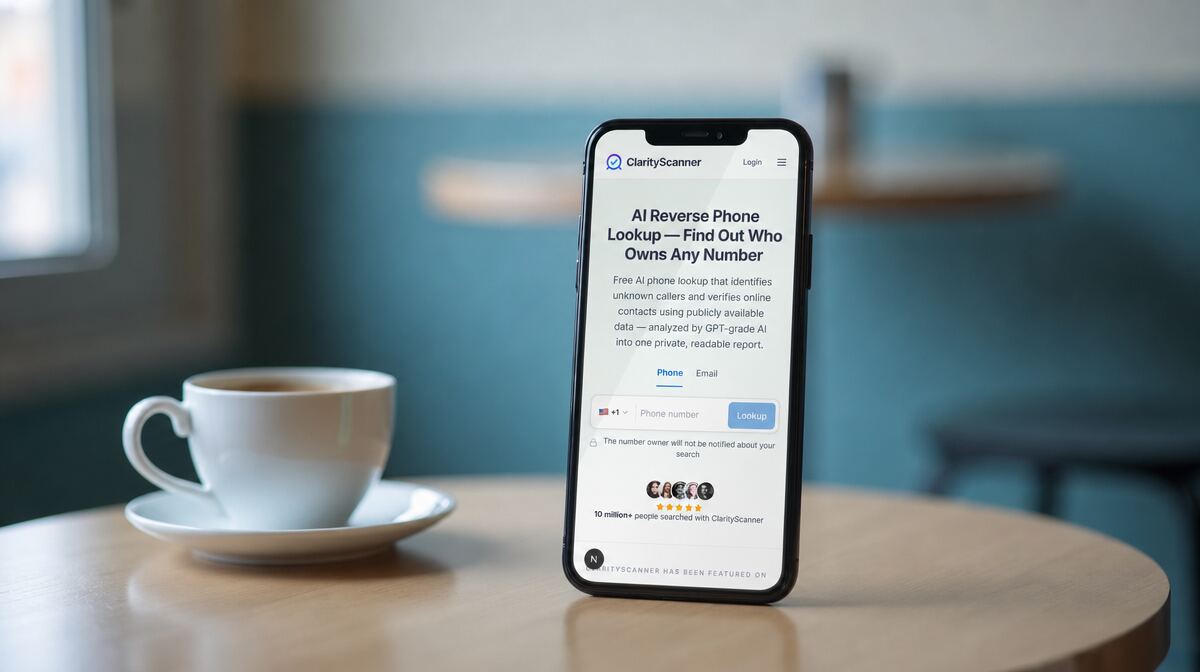
Free phone number lookups return carrier, line type, the region a number was issued in, and whether it has been reported for spam. They do not return owner names for US mobile numbers, because that data is licensed per query from data brokers. Knowing which half is free saves you both money and disappointment.
The free layer is real, and it is more useful than people assume
The reason free lookups exist at all is that the bottom layer of phone data genuinely costs nothing to serve. Number allocation and routing information is operational infrastructure — carriers have to publish which blocks they own for the phone network to work — so any service can query it cheaply.
That layer answers four questions, and they are the four questions most people actually have:
Which carrier serves this number? Useful mainly as a consistency check. A "local business" calling from a number served by a VoIP provider in another region is worth a second thought.
Is this a mobile, a landline, or a VoIP line? This is the single most informative free field. Robocall operations run overwhelmingly on VoIP because it is cheap and disposable. A VoIP line calling you unsolicited about your car warranty is essentially self-identifying.
Where was the number issued? Weak, because of portability, but not worthless — a number issued in a region that matches nothing else in the story is a small red flag.
Has it been reported? Community spam databases aggregate complaints, and a number with hundreds of reports is settled. This is often the fastest answer you will get.
What costs money, and why
Names are the expensive part, and it is worth understanding why rather than assuming the paywall is arbitrary.
There has never been a public directory of US mobile numbers. Landlines were published for a century — that is why free lookups sometimes name them. Mobile numbers were never published anywhere, so linking one to a person requires an identity graph assembled commercially: account records, marketing files, loyalty programmes, verification events across hundreds of services.
Building those graphs is expensive, and the companies that build them license access per query. A lookup service pays real money every time it resolves a number to a name. No amount of advertising revenue covers that at consumer scale, which is why the paywall sits exactly where it does — not at the front door, but at the moment identity is resolved.
| Data point | Free? | Why |
|---|---|---|
| Carrier | Yes | Operational routing data, published |
| Line type (mobile / landline / VoIP) | Yes | Same source |
| Issuing region | Yes | Area code allocation is public |
| Spam reports and reputation | Yes | Community-contributed complaint data |
| Business name | Usually | Business listings are public record |
| Owner name (landline) | Sometimes | Directory history is genuinely public |
| Owner name (mobile) | No | Licensed broker data, priced per query |
| Linked social / messaging accounts | No | Requires per-query platform checks |
| Linked email addresses | No | Identity-graph data, licensed |
| Breach and exposure history | No | Licensed breach corpora |
The free method most people skip
Before any lookup tool, put the number in a search engine inside quotation marks — "555-123-4567" — and then try it in a few formats, because sites publish numbers inconsistently.
This finds an astonishing amount. Businesses publish their numbers. Classified and marketplace listings include them. Scam-report forums accumulate thousands of them with detailed accounts of the pitch. Press releases, staff directories, conference programmes and old forum posts all leak numbers into the indexed web.
It costs nothing, takes fifteen seconds, and resolves a large share of unknown callers outright. If you skip it and go straight to a paid lookup, you will sometimes pay for a name that was on page one of a search result.
How to tell a free service from a trial
The distinction matters and the marketing deliberately blurs it.
A free service asks for a phone number and shows a result. No account, no card.
A trial asks for a card. The report may cost $1, or nothing, but there is a renewal behind it — and in this category renewals are aggressive. Weekly billing is common. So is a renewal price several times the trial price.
Neither is dishonest by itself, but they are different products, and "free reverse phone lookup" in an advert usually means the second one. Three things to check before entering a card:
- What is the renewal price and interval? Weekly billing at $14.90 is $775 a year, and it is presented as a $1 trial. Our Findsio review walks through that specific structure.
- How do you cancel? Self-service in-account cancellation is fine. "Email support to cancel" is a warning sign.
- What happens to unused credits? Most services void them at cancellation.
When free is genuinely enough
Most everyday questions do not need a name.
Should I answer this? — line type plus spam reputation answers it. Is this business real? — a search engine answers it. Is this the delivery company? — the company's published number answers it. Is this number reported for scams? — complaint databases answer it, for free.
Paying is worth it when identity itself is the question, and the stakes justify it: verifying someone before meeting them in person, checking a private-sale seller before sending money, working out who has been calling repeatedly from a number with no public footprint. In those cases the name is the point, and the free layer cannot give it to you at any speed.
What "no results" tells you
An empty result feels like failure. It is often the most useful outcome you will get.
Legitimate callers accumulate a public footprint almost automatically — businesses list numbers, real people have accounts registered to theirs. A number that returns nothing across a search engine, a spam database and a paid lookup is a number with no history, and numbers with no history are usually either brand new or deliberately disposable.
Neither is proof of anything. But "this number has no past" is a real finding, and it is worth weighing rather than discarding.
Where to go from here
If you want the free layer, use a search engine and a carrier lookup and stop there — you will resolve more calls than you expect. If identity is genuinely the question, understand that you are buying licensed data and price the service accordingly, paying attention to the renewal rather than the headline.
Our full guide to reverse phone lookup covers how to read a paid result without over-trusting it, and how to stop spam calls covers the case where you would rather the calls simply stopped.